
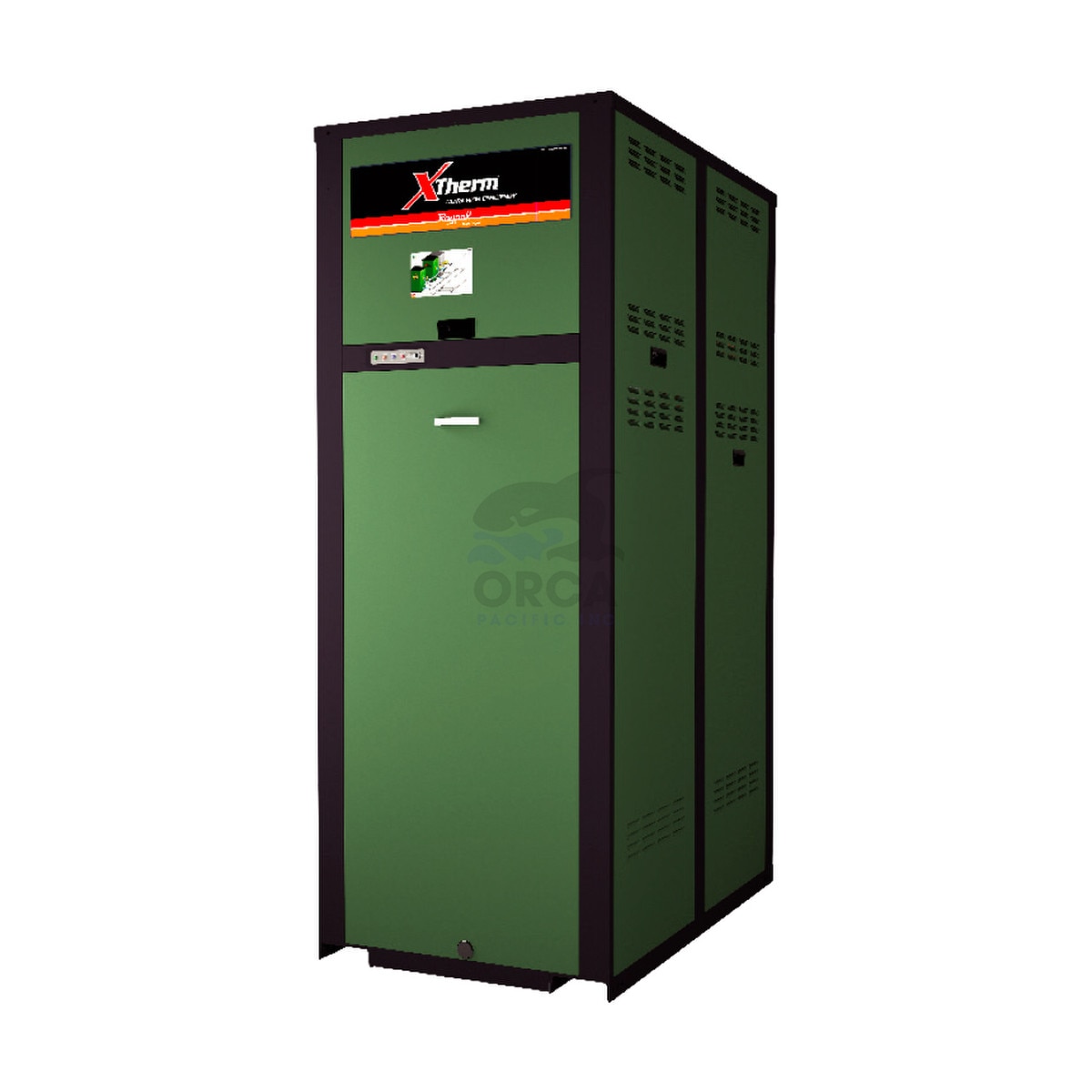
Raypak XTherm P1005A 999BTU Natural Gas Heater
96–97% Efficiency. Engineered for High Performance.
- Hybrid heat exchanger: copper & stainless steel for maximum thermal efficiency
- Compact indoor/outdoor design with weatherproof finish
- Flexible venting options (PVC, CPVC, Polypropylene, Stainless Steel)
- Cold Water Run system protects against condensation damage
- VERSA IC touchscreen controls with Raymote remote access
- Cascade up to 8 units for optimized performance

Related Blog
How to Safely Reduce and Store Pool Chemicals at End of Season
Your pool has a closing plan. Your chemical inventory needs one too. Most commercial pool closing checklists cover water chemistry, equipment winterization, and cover installation. But what happens to the chemical inventory after the pool closes is often handled informally—whatever remains gets consolidated in the equipment room and stays there until spring. That approach can create unnecessary safety, storage, and compliance concerns. Chemical quantities may increase beyond normal operating levels, products can lose effectiveness during extended storage, and incompatible chemicals can become a greater hazard if they are moved or consolidated without proper separation. The core principle is straightforward: don't close the pool with a six-month chemical inventory. Reducing what you carry over, identifying products that should not be stored, disposing of excess or compromised chemicals properly, and organizing what remains for the off-season should be part of your closing process. This guide walks through five steps for managing your commercial pool chemical inventory before the season ends.
CHEMICAL 101: Cyanuric Acid – Protecting Chlorine in the Summer Sun
When summer heat rolls in, keeping your pool sanitized becomes a little more challenging. That’s because sunlight—specifically UV rays—can quickly break down chlorine in your water. The solution? Cyanuric Acid (CYA), also known as the “sunscreen for chlorine.” If you’ve never heard of it or haven’t checked your CYA levels lately, this blog will walk you through why this chemical matters, especially during peak summer months.
Chemical 101: A Guide to Using Sodium Hypochlorite for Pool & Spa Sanitization
Maintaining clean and safe water is a top priority for any commercial or residential pool operator. Among the many sanitizers available, Sodium Hypochlorite 12.5%—commonly known as liquid chlorine or bleach—is one of the most effective and widely used solutions for pool disinfection. It plays a crucial role in eliminating bacteria, viruses, and algae, ensuring water clarity, and maintaining proper sanitation levels. In this guide, we’ll dive deep into what sodium hypochlorite is, how it works, when to use it, and best practices to ensure optimal performance.